
Agentic AI in Construction: The Agent That Does the Takeoff
The next generation of construction software will not be operated. It will be assigned work.
Agentic AI in construction is software that can be assigned an outcome, determine the steps required, and complete the work with limited manual input. In estimating, that means an agent can receive a plan set and scope, perform the takeoff, organize the quantities, and return bid work ready for review.
That definition matters because the industry is starting to call every AI feature an agent. A faster detection tool is useful. A chatbot that answers estimating questions is useful. Neither changes who is responsible for completing the work.
Construction does not need another chatbot
Most construction AI still sits beside the estimator and waits. Ask it a question. Click a feature. Inspect a suggestion. Move the result into the next tool. The software may be intelligent, but the estimator still carries the workflow.
Assistance can make an individual step faster. It does not take the takeoff off the estimator's desk.
The category shift
The next generation of construction software will not be operated. It will be assigned work.
That is the dividing line. The agent does not make the estimator better at operating takeoff software. The agent accepts the takeoff itself.
AI feature, AI assistant, AI agent
These are not three labels for the same product. They describe three different relationships between a contractor and the software.
AI feature
Improves an action
It detects, counts, measures, or extracts faster. The user still opens the tool and drives the task.
AI assistant
Suggests the next action
It answers questions and recommends steps. The user still turns those suggestions into finished work.
AI agent
Accepts the work
It receives the objective, carries the task across its required steps, and returns a completed work product.
This is the standard for AI agents for construction: judge the category by what comes back. If the estimator receives another suggestion, the software assisted. If the estimator receives drawing-linked quantities ready to review, cost, and quote, the agent did the work.
Give it a takeoff
Takeoff is the clearest proving ground for an AI construction agent because the assignment is concrete: here are the plans, here is the scope, bring back the quantities.
An electrical contractor might upload a commercial plan set and assign the lighting takeoff. The agent finds the relevant electrical sheets, reads the fixture legend, counts the requested fixture types, measures supported runs, keeps the results connected to their drawing locations, and organizes the quantities into BOQ line items.
The estimator reviews the drawing-linked work, handles exceptions, applies company pricing and exclusions, and approves the bid. The output is not an answer about how to perform the takeoff. It is the completed takeoff, already moving toward the estimate and quote.
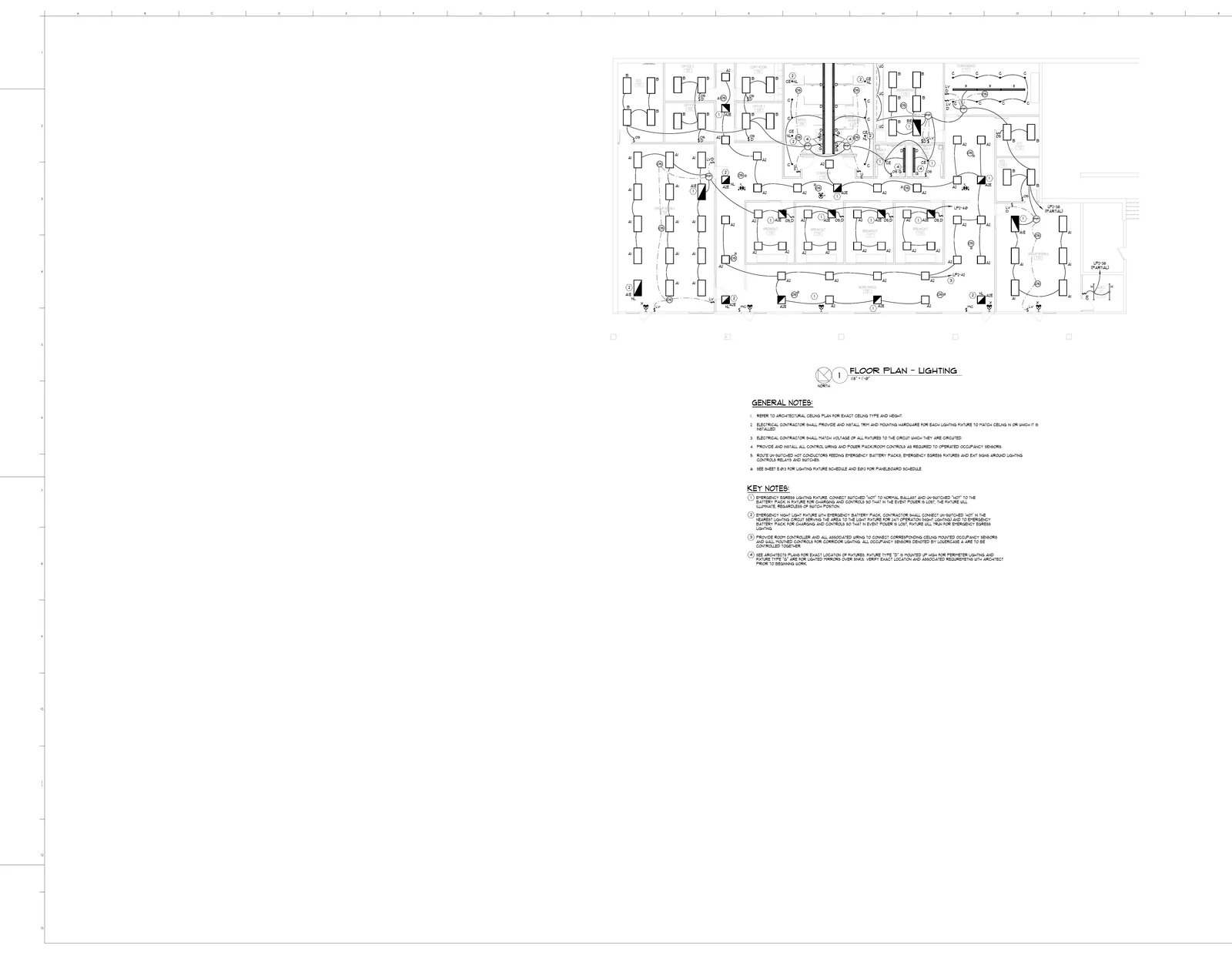
Completed bid work, not AI assistance
Construction software has traditionally sold tools. The customer buys the tool, learns the workflow, and supplies the labor required to operate it. Most AI products preserve that model. They make the tool more capable while leaving the work with the user.
The agent model is different. Its value is not measured by how impressive the interaction feels. Its value is measured by how much useful work leaves the estimator's desk and comes back completed.
The BuildVision AI Agent is designed around that standard. Give it the plans and scope. It does the takeoff, builds the BOQ, and carries the drawing-linked quantities into the estimating workflow. The estimator remains in control of the bid without remaining responsible for every click that creates it.
From operating software to assigning work
This is bigger than automating one estimating feature. It changes the basic relationship between construction companies and their software. Instead of asking, “What can this tool help me do?” teams can ask, “What work can I give it?”
The shift is not from manual takeoff to faster takeoff software. It is from operating takeoff software to assigning the takeoff itself.
Construction does not need another chatbot beside the estimator. It needs an agent capable of taking work off the estimator's desk.